



The Complete Guide to Choosing Industrial Rubber Flooring for Your Facility in 2025
Understanding Industrial Rubber Flooring: A Professional Buyer's Guide
Selecting the right rubber flooring for your facility is a critical decision that impacts safety, durability, maintenance costs, and operational efficiency. Whether you're outfitting a warehouse, gym, workshop, or commercial space, understanding the key factors in rubber flooring selection ensures you make an investment that delivers long-term value.
Why Industrial Rubber Flooring Outperforms Traditional Options
Industrial rubber flooring has become the preferred choice for facilities managers and business owners across the UK for several compelling reasons. Unlike traditional flooring materials, rubber offers exceptional durability, standing up to heavy foot traffic, equipment loads, and harsh environmental conditions without deteriorating.
The safety benefits are equally significant. Rubber flooring provides superior slip resistance, even in wet conditions, reducing workplace accidents and liability concerns. The material's natural shock-absorbing properties also reduce fatigue for workers who stand for extended periods, improving productivity and employee wellbeing.
From a maintenance perspective, rubber flooring requires minimal upkeep compared to alternatives. It resists staining, doesn't require waxing or polishing, and can be cleaned with simple mopping or sweeping. This translates to lower long-term operational costs and reduced downtime for maintenance.
Key Factors When Selecting Rubber Flooring
1. Application and Environment
The intended use of your space should drive your flooring selection. Industrial rubber flooring designed for heavy machinery differs significantly from flooring suited for retail environments or fitness facilities.
For gyms and fitness centers, rubber gym flooring must absorb impact from dropped weights while providing stable footing for dynamic movements. Look for options with appropriate thickness (typically 15-30mm) and density ratings that match your equipment and usage patterns.
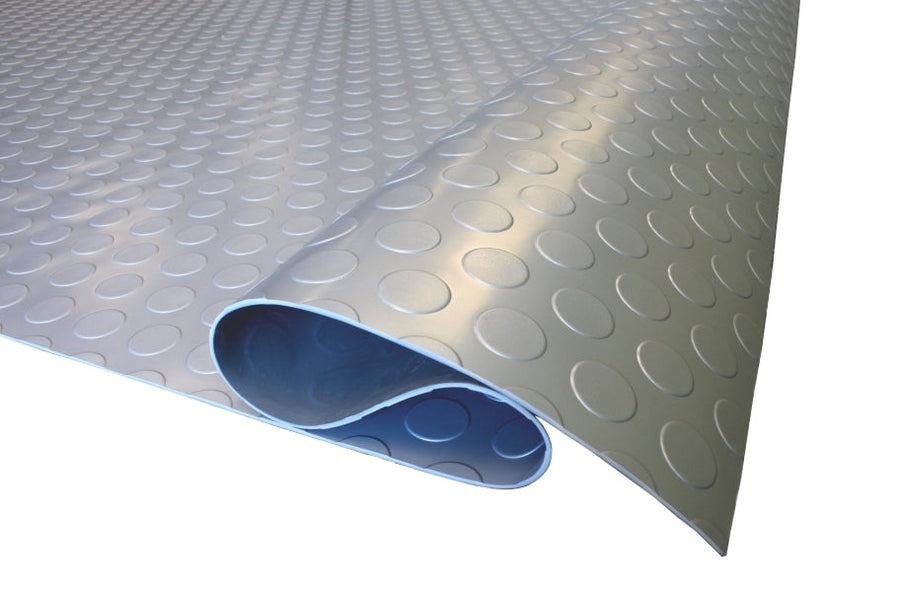
Workshop and garage environments benefit from rubber flooring rolls that offer chemical resistance, easy installation, and the ability to cover large areas efficiently. These continuous roll formats minimize seams and create a professional, cohesive appearance.
2. Thickness and Density Considerations
Thickness directly correlates with durability, comfort, and sound absorption. Standard industrial applications typically require 6-10mm thickness, while heavy-duty environments may need 15-30mm or more.
Density affects the flooring's ability to withstand compression and recover from impact. Higher-density rubber maintains its shape and performance characteristics over time, making it essential for areas with constant heavy loads or equipment traffic.
3. Surface Texture and Slip Resistance
Surface patterns serve both functional and aesthetic purposes. Ribbed patterns excel in wet environments by channeling water away from the walking surface. Studded or coin patterns provide excellent grip while being easier to clean than deeply textured options.
For pool areas and wet environments, specialized pool rubber mats with drainage holes prevent water accumulation and maintain slip resistance even when saturated.
4. Installation Method
Your installation approach affects both initial costs and long-term performance. Interlocking rubber mats offer the most flexible solution, allowing for easy reconfiguration, replacement of damaged sections, and DIY installation without specialized tools or adhesives.
Rolled rubber flooring provides seamless coverage for larger areas but typically requires professional installation and adhesive application. For permanent installations, specialized rubber flooring adhesive ensures a secure, long-lasting bond without staining or degradation.
Specialized Applications and Solutions
Gym and Fitness Facilities
Commercial gyms require flooring that balances impact absorption, noise reduction, and durability. Commercial-grade shock-absorbing gym mats protect both your subfloor and equipment while creating a professional training environment.
For dedicated weightlifting areas, thicker options (20-30mm) provide the necessary protection against dropped barbells and dumbbells. Cardio zones can utilize thinner profiles (10-15mm) that still offer comfort and noise reduction without excessive cost.
Vibration Control and Noise Reduction
Equipment that generates vibration—washing machines, treadmills, industrial machinery—requires specialized vibration-dampening solutions. Anti-vibration rubber mats protect structural elements, reduce noise transmission, and extend equipment lifespan by minimizing operational stress.
These high-density recycled rubber solutions are particularly valuable in multi-story buildings, residential areas, or facilities with noise restrictions.
Outdoor and Equestrian Applications
Outdoor environments demand rubber flooring with UV resistance, drainage capabilities, and temperature stability. Rubber grass protection mats provide stable, safe surfaces for playgrounds, pathways, and high-traffic outdoor areas while protecting underlying turf.
For stables and equestrian facilities, heavy-duty stable matting offers superior drainage, comfort for animals, and easy maintenance compared to traditional bedding materials.
Retail and Commercial Spaces
Customer-facing environments require flooring that combines functionality with aesthetic appeal. Rubber flooring for shops provides the durability needed for high foot traffic while maintaining a professional appearance that enhances your brand image.
For bathrooms and wet areas within commercial facilities, rubber bathroom flooring delivers slip resistance and water resistance while being easier to maintain than tile or vinyl alternatives.
Material Composition: Virgin vs. Recycled Rubber
Understanding the difference between virgin and recycled rubber helps you balance performance requirements with budget and sustainability goals.
Virgin rubber offers superior consistency, odor control, and aesthetic options. It's the preferred choice for customer-facing areas, fitness studios, and applications where appearance and minimal odor are priorities.
Recycled rubber provides excellent value and environmental benefits without sacrificing performance in most industrial applications. Modern recycled rubber products offer comparable durability and functionality at a lower price point, making them ideal for warehouses, workshops, and back-of-house areas.
Installation Best Practices
Proper installation ensures your rubber flooring performs as intended and maximizes its lifespan. Begin by preparing the subfloor—it must be clean, dry, level, and free from debris or contaminants that could affect adhesion or create uneven surfaces.
Allow rubber flooring to acclimate to the installation environment for 24-48 hours before installation. This prevents expansion or contraction issues that can create gaps or buckling.
For adhesive installations, follow manufacturer specifications precisely. Using the correct non-staining rubber flooring adhesive and application method prevents future failures and ensures warranty coverage.
Interlocking systems require attention to edge alignment and proper engagement of locking mechanisms. Start from a corner or wall and work systematically to maintain straight lines and minimize cutting waste.
Maintenance and Longevity
Rubber flooring's low maintenance requirements are a key advantage, but proper care extends its lifespan and maintains its appearance. Regular sweeping or vacuuming removes abrasive particles that can wear the surface over time.
For routine cleaning, use a neutral pH cleaner and damp mop. Avoid harsh chemicals, solvents, or abrasive cleaning tools that can damage the rubber surface. Most rubber flooring can be cleaned with simple soap and water solutions.
Address spills promptly, particularly oils or chemicals that may affect rubber over extended contact. While rubber is generally chemical-resistant, prolonged exposure to certain substances can cause degradation.
Inspect high-traffic areas periodically for wear patterns. Interlocking systems allow you to rotate or replace individual tiles, extending the overall system's lifespan and maintaining consistent appearance.
Cost Considerations and ROI
While rubber flooring may have higher upfront costs than some alternatives, the total cost of ownership typically favors rubber over a 5-10 year period. Factor in reduced maintenance costs, longer replacement cycles, decreased injury-related expenses, and improved productivity when evaluating options.
Interlocking systems offer the best value for facilities that may need to reconfigure spaces or replace damaged sections without full floor replacement. Roll goods provide the most economical coverage for large, permanent installations.
Consider the hidden costs of cheaper alternatives—frequent replacement, higher maintenance requirements, and potential safety incidents can quickly erode initial savings.
Making Your Selection: A Practical Checklist
When evaluating rubber flooring options for your facility, use this framework to ensure you select the optimal solution:
- Define your primary use case: Heavy industrial, commercial, fitness, outdoor, or specialized application
- Assess traffic levels: Light, moderate, heavy, or extreme usage patterns
- Identify environmental factors: Wet/dry, temperature extremes, chemical exposure, UV exposure
- Determine thickness requirements: Based on impact protection, comfort, and durability needs
- Select installation method: Interlocking, rolled and glued, or loose-lay based on permanence and budget
- Consider aesthetics: Color, texture, and pattern that align with your facility's image
- Evaluate budget: Initial investment vs. total cost of ownership over expected lifespan
- Review warranty and support: Manufacturer backing and available technical assistance
Conclusion: Investing in the Right Foundation
Selecting industrial rubber flooring is an investment in your facility's safety, efficiency, and long-term operational success. By understanding the key factors—application requirements, material properties, installation methods, and maintenance needs—you can make an informed decision that delivers value for years to come.
Whether you're outfitting a commercial gym, industrial facility, or specialized environment, the right rubber flooring solution combines performance, durability, and cost-effectiveness to meet your unique requirements.
Take the time to assess your specific needs, consult with flooring specialists, and select products backed by proven performance and reliable support. Your flooring is the foundation of your operation—choose wisely, and it will serve you well for years to come.