



Swimming Pool Matting UK: Safety Surfacing & Anti-Slip Solutions
The Critical Importance of Pool Safety Surfacing
Swimming pool surrounds present one of the highest slip-risk environments in leisure facilities, schools, hotels, and private residences across the UK. Wet feet on smooth surfaces create dangerous conditions that lead to serious injuries, liability claims, and facility closures. Professional pool matting provides essential safety protection whilst enhancing comfort, hygiene, and operational efficiency. Understanding the options, regulations, and installation requirements ensures you select the optimal solution for your aquatic facility.
UK Regulations for Pool Safety Surfacing
The Health and Safety Executive (HSE) mandates that pool operators must assess and control slip risks under the Health and Safety at Work Act 1974 and Management of Health and Safety at Work Regulations 1999. Swimming pool surrounds must achieve minimum slip resistance ratings, typically requiring Pendulum Test Values (PTV) of 36+ for wet barefoot areas. The Equality Act 2010 requires accessible surfaces for disabled users. Local authority inspections verify compliance, and failure to meet standards can result in enforcement notices, prosecution, or facility closure. Insurance policies often specify minimum safety surfacing requirements.
Slip Risks in Pool Environments
Water, body oils, sunscreen, and cleaning chemicals create extremely slippery conditions on traditional tiles, concrete, and stone surfaces. Barefoot users have reduced traction compared to shod feet, increasing slip risk. Running children, elderly users, and people with mobility challenges face particular danger. The combination of hard surfaces and water creates severe injury potential from falls—head injuries, fractures, and spinal damage occur regularly in inadequately protected pool areas. Legal liability for operators makes proper surfacing not just a safety issue but a business imperative.
Types of Pool Matting for UK Facilities
Wet Area Matting and Pool Surround Tiles
Purpose-designed wet area matting features open-grid or perforated construction that allows water drainage whilst providing excellent slip resistance. PVC, rubber, or foam materials resist chlorine, UV exposure, and constant moisture. Interlocking tiles create custom configurations around pools of any shape. Raised surface patterns provide maximum barefoot grip even when saturated. Available in various colours to define zones, enhance aesthetics, or match facility branding. Thickness ranges from 12mm to 25mm depending on comfort and drainage requirements.
Pool Deck Matting Rolls
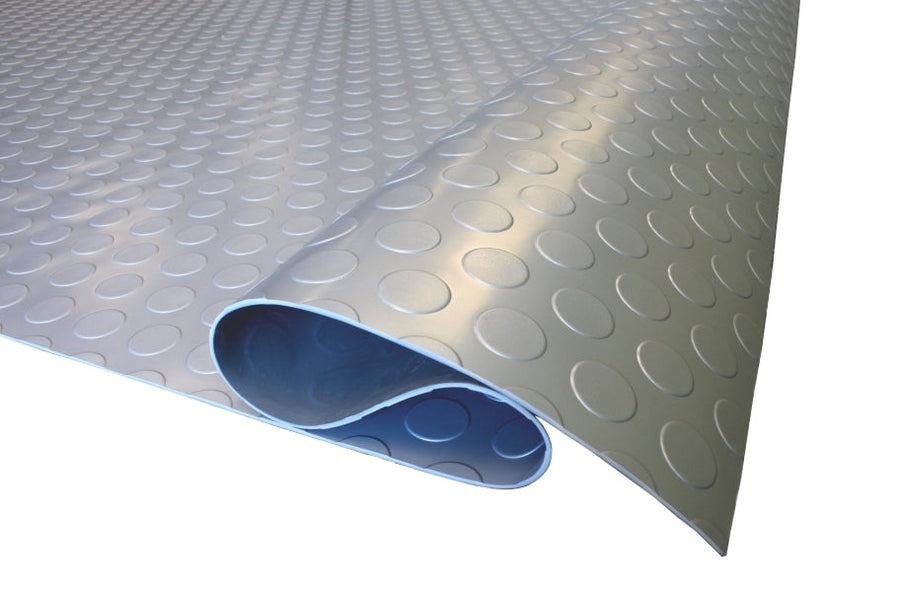
Continuous roll matting suits larger pool surrounds, providing seamless coverage with minimal joints. The flexible material conforms to slight surface irregularities and can be cut to fit complex shapes around pool edges, steps, and fixtures. Roll widths typically range from 1 to 2 metres with custom lengths available. This option works brilliantly for commercial pools, leisure centres, and hotel facilities requiring extensive coverage.
Entrance and Exit Mats
Heavy-duty entrance matting at pool access points removes excess water from feet before users reach main pool surrounds. This reduces water transfer that creates slip hazards on surrounding floors. Highly absorbent materials combined with slip-resistant backing protect both pool areas and adjacent changing rooms or corridors.
Shower and Changing Room Matting
Specialised matting for wet changing areas, showers, and footbaths provides comprehensive facility protection. Antimicrobial treatments resist bacteria, fungi, and odours in these high-moisture environments. Drainage designs prevent water pooling that creates hygiene issues and slip risks.
Poolside Walkway Matting
Designated walkways around pools benefit from contrasting colour matting that guides traffic flow and defines safe walking routes. This reduces running, concentrates foot traffic away from pool edges, and improves overall facility safety management.
Material Options and Performance Characteristics
PVC Pool Matting
Polyvinyl chloride matting offers excellent chemical resistance to chlorine, bromine, and pool cleaning chemicals. UV stabilised formulations resist sun degradation in outdoor pools. The rigid structure maintains shape and drainage properties over years of use. Easy cleaning with standard pool chemicals and pressure washing. Typical lifespan of 8-12 years in commercial pool environments.
Rubber Pool Matting
Natural or synthetic rubber provides superior comfort and slip resistance. The softer surface feels pleasant underfoot and provides cushioning that reduces fatigue during extended pool sessions. Excellent durability and resistance to most pool chemicals. Some rubber formulations may degrade faster under intense UV exposure—verify outdoor suitability. Expected lifespan of 10-15 years with proper maintenance.
Foam Pool Matting
Closed-cell foam materials offer maximum comfort and thermal insulation—particularly appreciated in outdoor pools and cooler climates. The soft surface suits children's pools and hydrotherapy facilities where comfort takes priority. However, foam typically has shorter lifespan than PVC or rubber, requiring replacement every 5-8 years in commercial settings.
Key Selection Criteria
Slip Resistance Performance
Verify that matting achieves required Pendulum Test Values for wet barefoot conditions (minimum PTV 36, preferably 40+). Request independent test certification rather than relying on manufacturer claims. Surface texture, drainage design, and material composition all affect slip resistance—evaluate complete system performance.
Drainage Efficiency
Effective drainage prevents water pooling that creates slip hazards and hygiene issues. Open-grid designs with 10-20mm apertures provide excellent drainage whilst maintaining comfortable walking surface. Perforated matting requires adequate subfloor drainage to function properly. Consider drainage slope and capacity when selecting matting design.
Chemical Resistance
Pool chemicals, particularly chlorine and pH adjusters, degrade unsuitable materials rapidly. Verify chemical resistance specifications match your pool's treatment regime. Saltwater pools require materials resistant to salt corrosion. Ozone and UV treatment systems may have different material compatibility requirements.
UV Stability for Outdoor Pools
Outdoor pool matting faces intense UV exposure that degrades unprotected materials, causing brittleness, colour fading, and structural failure. UV-stabilised formulations maintain properties and appearance for years. Request UV stability certification for outdoor applications—indoor-only products fail rapidly when used outdoors.
Comfort and Thermal Properties
Barefoot comfort matters, particularly for children's pools, hydrotherapy facilities, and resort settings where users spend extended periods poolside. Softer materials and cushioned constructions enhance user experience. Thermal insulation prevents heat loss through feet on cold surfaces—important for outdoor pools and cooler months.
Hygiene and Cleaning
Pool matting must withstand regular cleaning with pool chemicals and pressure washing. Antimicrobial treatments inhibit bacteria, fungi, and algae growth in constantly wet environments. Smooth surfaces clean more easily but may offer less slip resistance—balance these competing requirements based on your facility's priorities.
Installation Requirements and Best Practices
Subfloor Preparation
Proper installation begins with clean, level, well-drained substrates. Concrete pool surrounds should have adequate drainage slope (minimum 1:60 gradient away from pool). Repair cracks, holes, and surface irregularities that could telegraph through matting. Ensure drainage channels and outlets function correctly—matting cannot compensate for inadequate subfloor drainage.
Matting Layout and Cutting
Plan layout to minimise cuts and waste whilst ensuring complete coverage of slip-risk areas. Start from pool edge and work outward, maintaining consistent joint alignment. Use sharp utility knives or jigsaws for cutting—most pool matting cuts cleanly when scored and bent. Create templates for complex shapes around ladders, diving boards, and pool furniture.
Securing Methods
Interlocking tiles typically stay in place through their connection system and weight. Perimeter securing with adhesive or mechanical fixings prevents edge lifting and ensures longevity. Roll matting may require full or perimeter adhesive depending on location and foot traffic. Loose-laid installations suit temporary or seasonal pools where removal is required.
Edge Treatment and Transitions
Bevelled edges or ramped transitions prevent trip hazards where matting meets other surfaces. Ensure smooth transitions that don't create new safety risks whilst solving slip problems. Consider contrasting colours at edges to improve visibility for users with visual impairments.
Maintenance and Longevity
Daily hosing removes debris, body oils, and sunscreen that accumulate on pool matting. Weekly cleaning with pool-safe disinfectants maintains hygiene and prevents biofilm formation. Monthly deep cleaning with pressure washers and specialised cleaners removes embedded dirt and restores appearance. Inspect regularly for damage, lifting edges, or worn areas requiring repair or replacement. Proper maintenance extends lifespan significantly—well-maintained commercial pool matting lasts 10-15 years whilst neglected installations may fail within 3-5 years.
Applications Across Different Pool Types
Public Swimming Pools and Leisure Centres
High-traffic commercial facilities require maximum durability and slip resistance. Heavy-duty PVC or rubber matting rated for intensive use provides necessary performance. Antimicrobial treatments essential for hygiene in heavily-used public facilities. Consider colour coding for different zones—teaching pools, main pools, diving areas.
School and University Pools
Educational facilities balance safety requirements with budget constraints. Durable matting that withstands intensive use during term time whilst requiring minimal maintenance during holidays. Bright colours enhance safety awareness and create appealing environments that encourage swimming participation.
Hotel and Resort Pools
Hospitality settings prioritise aesthetics alongside safety. Premium matting in colours matching facility design creates luxurious appearance whilst providing essential protection. Comfort features enhance guest experience and differentiate your facility from competitors.
Hydrotherapy and Rehabilitation Pools
Medical and therapeutic facilities require maximum slip resistance and comfort for users with mobility challenges. Softer materials provide cushioning for unsteady users. Antimicrobial properties essential in clinical environments. Accessibility compliance critical for these specialised applications.
Private Residential Pools
Homeowners benefit from pool matting that enhances safety for family and guests whilst improving aesthetics. Moderate-duty options suit lower traffic levels. Easy maintenance important for homeowners without dedicated facility staff. Seasonal removal and storage possible with lighter-weight options.
Cost Considerations and ROI
Commercial pool matting costs £30-£80 per square metre depending on material, thickness, and specification. A typical 25-metre pool surround (approximately 200 square metres) requires £6,000-£16,000 investment. Calculate ROI through reduced injury claims, lower insurance premiums, decreased cleaning costs, and enhanced facility reputation. Most commercial operators see positive returns within 2-4 years. The cost of a single serious injury claim typically exceeds the entire matting investment—making proper surfacing essential risk management.
Common Installation Mistakes to Avoid
Inadequate subfloor drainage causes water pooling beneath matting, creating hygiene issues and premature failure. Using indoor-rated products outdoors results in rapid UV degradation. Insufficient coverage leaves dangerous gaps where slips still occur. Poor edge treatment creates new trip hazards. Selecting matting based solely on price rather than performance leads to inadequate slip resistance and frequent replacement. Neglecting maintenance allows deterioration that compromises safety and requires premature replacement.
Compliance Verification and Documentation
Maintain records of slip resistance testing, material certifications, and installation documentation. Schedule regular slip resistance testing to verify ongoing compliance—surface properties can change over time. Document maintenance activities and inspections. This documentation demonstrates due diligence if incidents occur and supports insurance claims. Many insurers require evidence of compliant safety surfacing and regular testing.
Future Trends in Pool Safety Surfacing
Antimicrobial technologies continue advancing, with new treatments providing longer-lasting protection against bacteria and fungi. Recycled materials offer sustainable options without compromising performance. Smart matting with embedded sensors can monitor slip resistance and alert facility managers when replacement is needed. Enhanced UV resistance extends outdoor matting lifespan. Improved drainage designs maximise water removal whilst maintaining comfort.
Making Your Selection
Assess your specific requirements—pool type and size, user demographics, indoor or outdoor location, budget constraints, and aesthetic preferences. Request samples to evaluate slip resistance, comfort, and appearance. Verify certifications for slip resistance, chemical resistance, and UV stability. Obtain multiple quotes from experienced installers with pool-specific expertise. Check references from similar facilities. Ensure contracts specify compliance testing and certification upon completion. Consider whole-life costs including maintenance and replacement rather than initial price alone.
Ready to enhance pool safety and compliance? Explore our comprehensive range of professional-grade pool matting solutions designed specifically for UK swimming facilities, leisure centres, and private pools.