



Understanding Slip Resistance Standards: UK Compliance Guide for Safety Flooring
Introduction
Slip-related accidents account for over 40% of workplace injuries reported to the Health and Safety Executive annually, costing UK businesses millions in compensation claims, lost productivity, and reputational damage. Selecting flooring with appropriate slip resistance represents a fundamental safety obligation and legal requirement for facility operators. Yet confusion surrounding slip resistance standards, testing methodologies, and compliance requirements leads many organisations to make uninformed decisions that compromise safety or waste resources on unnecessary specification. This comprehensive guide clarifies UK slip resistance standards, providing facility managers, safety officers, and procurement professionals with the knowledge to specify compliant, safe flooring solutions.
The Legal Framework for Slip Resistance in the UK
The Health and Safety at Work Act 1974 establishes employers' duty to ensure workplace safety, including provision of slip-resistant surfaces where hazards exist. The Management of Health and Safety at Work Regulations 1999 require risk assessment and implementation of control measures for identified slip hazards. The Workplace (Health, Safety and Welfare) Regulations 1992 specifically mandate that floors shall be suitable, in good condition, and free from obstructions that might cause slips. The Equality Act 2010 requires accessible, safe surfaces for disabled users. Failure to comply can result in prosecution, enforcement notices, facility closure, and substantial compensation claims. Insurance policies often specify minimum slip resistance requirements, with non-compliance potentially voiding coverage.
Understanding Pendulum Testing: The UK Standard
The Pendulum Test, standardised under BS 7976 and BS EN 13036-4, represents the primary method for assessing slip resistance in the UK. This dynamic test simulates a pedestrian heel strike, measuring the friction between a rubber slider and the test surface. Results are expressed as Pendulum Test Values (PTV), with higher numbers indicating greater slip resistance. The test can be conducted in dry or wet conditions, with wet testing providing more relevant data for areas exposed to moisture. Pendulum testing offers repeatability, objectivity, and correlation with real-world slip incidents, making it the gold standard for UK slip resistance assessment.
Interpreting Pendulum Test Values
The UK Slip Resistance Group (UKSRG) provides guidance on interpreting PTV results. Surfaces achieving PTV 0-24 present high slip potential and are unsuitable for pedestrian traffic. PTV 25-35 indicates moderate slip potential, acceptable only for dry, low-risk areas. PTV 36+ represents low slip potential, considered the minimum acceptable standard for most commercial applications. PTV 40+ provides enhanced safety for wet areas or higher-risk environments. PTV 50+ delivers maximum slip resistance for extremely hazardous conditions such as commercial kitchens, pool surrounds, or industrial wet areas. These thresholds guide specification decisions, though specific applications may require higher standards based on risk assessment.
Wet Versus Dry Testing Considerations
Slip resistance varies dramatically between dry and wet conditions. Surfaces performing adequately when dry may become dangerously slippery when wet. For areas exposed to moisture—entrances, bathrooms, kitchens, pool surrounds, or outdoor spaces—wet PTV ratings provide relevant performance data. Dry testing suits internal areas with controlled environments where moisture exposure is minimal. Many flooring products quote only dry PTV values, which can mislead buyers about wet performance. Always request wet PTV data for moisture-exposed applications and verify testing was conducted according to BS 7976 standards rather than alternative methodologies that may produce incomparable results.
Alternative Slip Resistance Testing Methods
Ramp Testing (DIN 51130)
German standard DIN 51130 employs ramp testing where subjects walk on progressively inclined surfaces until slipping occurs. Results are expressed as R-ratings (R9-R13), with higher numbers indicating greater slip resistance. Whilst common in European flooring specifications, ramp testing provides less precise, less repeatable results than Pendulum testing. R9 roughly correlates to PTV 18-34, R10 to PTV 25-39, R11 to PTV 35-54, and R12 to PTV 45-64. However, these correlations are approximate—products should be tested using the methodology relevant to your jurisdiction.
Barefoot Ramp Testing (DIN 51097)
DIN 51097 assesses slip resistance for barefoot areas such as swimming pools, showers, and changing rooms. The test uses barefoot subjects on wet, soapy surfaces with results expressed as A, B, or C ratings. Class A (12-18 degree slip angle) suits pool surrounds, Class B (18-24 degrees) for wet barefoot areas with slopes, and Class C (24+ degrees) for extremely wet conditions. This specialised testing provides relevant data for aquatic facilities but doesn't translate directly to shod pedestrian applications.
Coefficient of Friction (COF) Testing
American standards ASTM F1679 and ASTM C1028 measure static or dynamic coefficient of friction. Results are expressed as numerical values, with 0.5+ generally considered acceptable. However, COF testing methodology differs significantly from Pendulum testing, producing results that cannot be directly compared. UK facilities should prioritise Pendulum testing for compliance and risk management purposes.
Application-Specific Slip Resistance Requirements
Commercial Entrances and Lobbies
Entrance areas face constant moisture from rain, snow, and tracked-in water. Specify minimum PTV 36 wet for basic compliance, with PTV 40+ recommended for high-traffic or exposed locations. Entrance matting systems should achieve similar slip resistance to prevent creating hazards at transitions. Consider seasonal variations—surfaces adequate during dry summer months may become hazardous during wet British winters.
Retail and Public Spaces
Shopping centres, retail stores, and public buildings require PTV 36+ wet to accommodate diverse users including elderly, disabled, and children. High-traffic areas benefit from PTV 40+ providing safety margin during peak periods when cleaning may be delayed. Polished stone or tile floors often fail to meet these standards when wet, necessitating anti-slip treatments or alternative materials.
Healthcare Facilities
Hospitals, clinics, and care homes serve vulnerable populations with mobility challenges. Specify PTV 40+ wet as minimum standard, with PTV 45+ for areas serving elderly or disabled patients. Consider that medical equipment, wheelchairs, and walking aids require firm surfaces—excessive slip resistance can impede wheeled equipment whilst inadequate resistance endangers ambulatory patients.
Food Service and Commercial Kitchens
Commercial kitchens present extreme slip hazards from water, grease, and food debris. Specify minimum PTV 40+ wet, with PTV 50+ strongly recommended for cooking areas and dishwashing zones. Many standard flooring materials fail to achieve these ratings, necessitating specialised anti-slip flooring designed for food service environments. Regular cleaning and maintenance are essential as contamination reduces slip resistance significantly.
Swimming Pools and Wet Leisure Facilities
Pool surrounds require PTV 40+ wet for shod areas, with barefoot zones needing DIN 51097 Class A or B certification. Changing rooms, showers, and wet corridors demand similar specifications. The combination of water, body oils, and barefoot traffic creates extreme slip risk requiring maximum resistance. Verify that specified materials maintain slip resistance when contaminated with typical pool chemicals and sunscreen.
Industrial and Warehouse Environments
Manufacturing facilities, warehouses, and workshops face varied slip hazards from process fluids, cleaning water, and environmental conditions. Conduct site-specific risk assessment to determine appropriate PTV requirements, typically ranging from PTV 36+ for dry areas to PTV 50+ for wet process zones. Consider chemical resistance alongside slip performance—some anti-slip treatments degrade when exposed to industrial chemicals.
Outdoor and External Areas
External walkways, car parks, and outdoor facilities require PTV 40+ wet minimum to handle rain, ice, and seasonal conditions. Specify materials with proven performance in UK climate including freeze-thaw resistance. Drainage design significantly affects slip risk—standing water creates hazards even on high-PTV surfaces. Consider that leaf litter, algae, and seasonal contamination can dramatically reduce slip resistance of outdoor surfaces.
Factors Affecting Slip Resistance Performance
Surface Texture and Profile
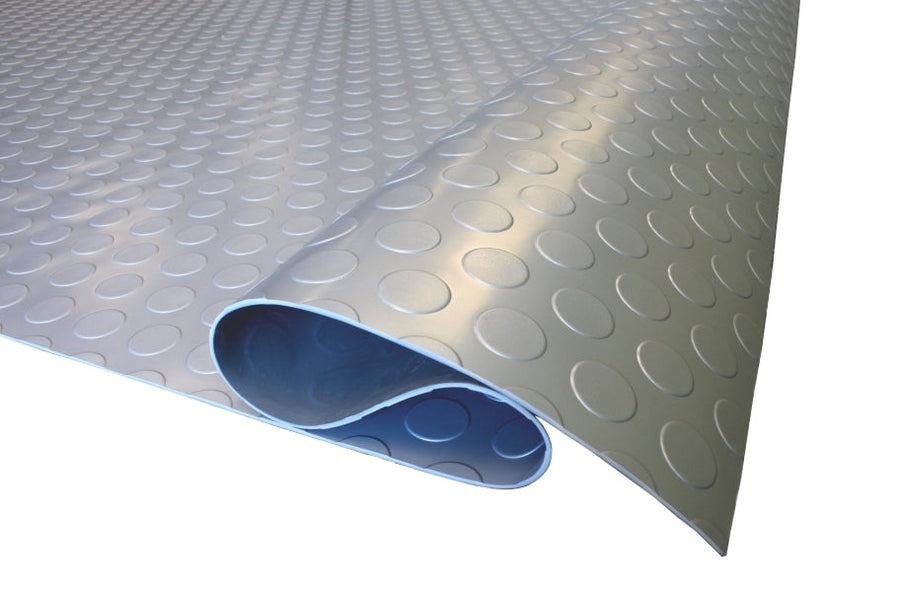
Slip resistance derives primarily from surface texture creating mechanical grip. Smooth surfaces provide minimal resistance, whilst textured, profiled, or studded surfaces enhance traction. However, excessive texture can create cleaning difficulties and discomfort for barefoot users. Balance slip resistance requirements against maintenance practicality and user comfort.
Contamination and Maintenance
Dirt, grease, soap residues, and other contaminants dramatically reduce slip resistance. Surfaces achieving PTV 45 when clean may drop to PTV 25 when contaminated. Regular cleaning maintains slip resistance, but cleaning frequency must match contamination rates. High-traffic or high-risk areas require daily or multiple-daily cleaning to maintain safe conditions. Specify cleaning protocols alongside flooring selection to ensure ongoing compliance.
Wear and Degradation
Slip resistance changes over time as surfaces wear. Some materials maintain or improve slip resistance with wear as texture becomes more pronounced. Others degrade, becoming smoother and more slippery. Specify durable materials appropriate for traffic levels and conduct periodic re-testing to verify ongoing compliance. Budget for eventual replacement when wear reduces slip resistance below acceptable thresholds.
Moisture and Environmental Conditions
Temperature, humidity, and moisture type affect slip resistance. Cold temperatures may alter material properties, whilst certain contaminants (oils, soaps, algae) create more hazardous conditions than clean water. Consider worst-case scenarios when specifying slip resistance—surfaces must perform safely under the most challenging conditions likely to occur, not just average conditions.
Specifying Compliant Flooring Solutions
Request independent test certification to BS 7976 standards rather than relying on manufacturer claims. Verify testing was conducted in conditions matching your application—wet testing for moisture-exposed areas, contamination testing for food service, barefoot testing for pool areas. Obtain test reports showing actual PTV values rather than vague claims of compliance. Specify minimum acceptable PTV in procurement documents and verify delivered products meet requirements through independent testing if necessary. Consider whole-life performance including maintenance requirements and wear characteristics, not just initial slip resistance.
Anti-Slip Treatments and Retrofits
Existing floors failing to meet slip resistance requirements can often be improved through anti-slip treatments. Chemical etching, mechanical profiling, anti-slip coatings, and applied tapes or strips enhance traction on smooth surfaces. However, treatments vary in durability, appearance impact, and maintenance requirements. Some provide temporary improvement requiring regular reapplication, whilst others offer permanent enhancement. Verify treatment effectiveness through post-application Pendulum testing rather than assuming claimed performance. Consider that some treatments may void flooring warranties or create cleaning difficulties.
Documentation and Compliance Verification
Maintain comprehensive records of slip resistance testing, risk assessments, and compliance decisions. Document cleaning protocols, maintenance schedules, and periodic re-testing results. This documentation demonstrates due diligence if incidents occur and supports defence against claims. Many insurance policies require evidence of compliant flooring and proper maintenance. Schedule periodic professional slip resistance testing to verify ongoing compliance—annual testing recommended for high-risk areas, with less frequent testing acceptable for lower-risk environments.
Common Compliance Mistakes
Specifying based on dry PTV values for wet areas leads to dangerous non-compliance. Accepting manufacturer claims without independent verification risks installing inadequate flooring. Neglecting maintenance allows contamination to reduce slip resistance below safe levels. Failing to conduct site-specific risk assessment results in over or under-specification. Ignoring seasonal variations means surfaces adequate in summer become hazardous in winter. Delaying remediation of identified slip hazards exposes organisations to liability and regulatory action.
Emerging Standards and Future Developments
Ongoing research refines slip resistance testing methodologies and threshold recommendations. Digital Pendulum devices provide enhanced data collection and analysis capabilities. Standardisation efforts aim to harmonise European testing methods, though UK standards remain primary for British applications. Increased focus on whole-life performance considers how slip resistance changes with wear and contamination. Smart flooring with embedded sensors may eventually provide real-time slip resistance monitoring, alerting facility managers when cleaning or intervention is required.
Conclusion
Understanding and implementing appropriate slip resistance standards represents a fundamental safety obligation for UK facility operators. Pendulum testing to BS 7976 provides objective, reliable assessment of slip potential, with PTV 36+ wet representing minimum acceptable performance for most commercial applications. Higher-risk environments including food service, healthcare, and wet leisure facilities demand PTV 40-50+ for adequate safety. Specify based on independent testing, maintain surfaces properly, and document compliance to protect users and organisations from slip-related incidents. Informed specification balances safety requirements against practical and economic considerations, delivering compliant solutions that protect people whilst providing value for money.