



Gym Flooring UK: Complete Guide to Choosing the Right Surface
Why Gym Flooring Matters for Your Facility
Whether you're setting up a commercial gym, home workout space, or CrossFit box, the right flooring is fundamental to safety, performance, and equipment longevity. UK gym owners and fitness enthusiasts need flooring that withstands heavy weights, high-impact activities, and constant foot traffic whilst providing proper shock absorption and noise reduction.
Types of Gym Flooring for UK Facilities
Rubber Gym Flooring
Rubber remains the gold standard for gym flooring across the UK. Its exceptional durability, shock absorption, and slip resistance make it ideal for weight rooms, functional training areas, and cardio zones. Available in tiles, rolls, and interlocking mats, rubber flooring handles dropped weights without damage and provides excellent joint protection during high-impact exercises.
Interlocking Gym Tiles
Interlocking rubber tiles offer maximum flexibility for gym layouts. Easy to install without adhesives, these tiles allow you to create custom configurations, replace damaged sections individually, and even relocate your gym setup. Thickness options from 15mm to 25mm accommodate different training intensities and equipment requirements.
Rubber Gym Rolls
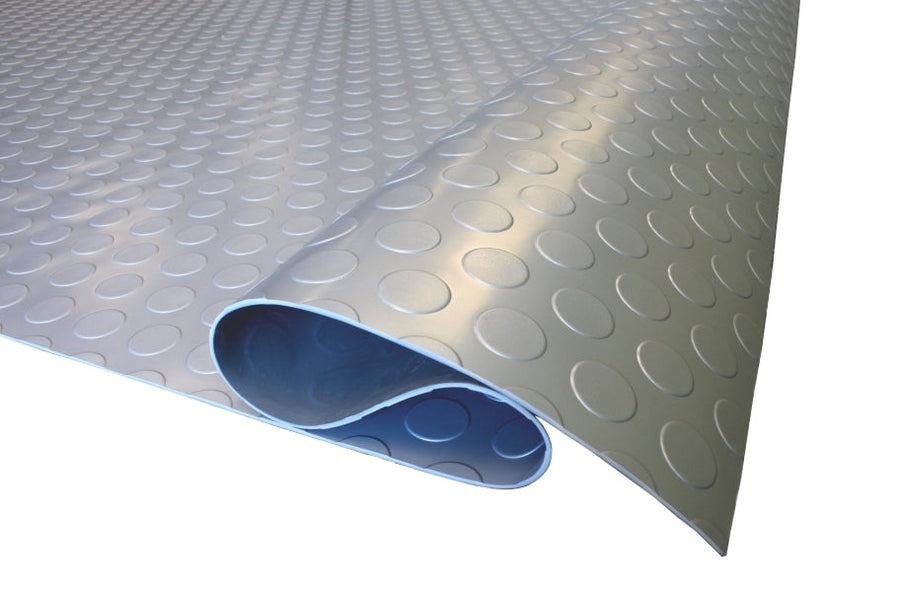
For larger commercial facilities, rubber rolls provide seamless coverage with minimal joints. This option works brilliantly for cardio areas, group fitness studios, and expansive weight rooms where continuous flooring enhances both aesthetics and functionality.
Key Considerations for UK Gym Flooring
Thickness Requirements
Light home gyms function well with 10-15mm flooring, whilst commercial facilities with Olympic lifting require 20-25mm thickness to protect subfloors and reduce noise transmission. CrossFit boxes and powerlifting gyms benefit from even thicker options or layered systems in designated lifting zones.
Density and Hardness
Higher density rubber (900+ kg/m³) provides superior durability for heavy equipment and dropped weights. Softer, lower-density options suit yoga studios, Pilates spaces, and stretching areas where comfort takes priority over impact resistance.
Surface Texture
Textured surfaces prevent slipping during intense workouts, particularly important in areas where sweat accumulation occurs. Smooth surfaces facilitate easier cleaning and work well under stationary equipment like treadmills and bikes.
Installation Methods for Different Spaces
Loose Lay Installation
Interlocking tiles and heavy rubber rolls can be loose laid, making them perfect for rental properties, temporary facilities, or spaces requiring future flexibility. This method requires no adhesives and allows complete removal without floor damage.
Permanent Installation
Commercial gyms benefit from adhesive installation, creating a permanent, stable surface that won't shift under heavy use. This approach provides the most professional finish and maximum stability for equipment placement.
Maintenance and Longevity
Quality rubber gym flooring requires minimal maintenance—regular sweeping and occasional mopping with pH-neutral cleaners keeps surfaces hygienic and looking professional. Avoid harsh chemicals that can degrade rubber. Properly maintained gym flooring lasts 10-15 years in commercial settings and even longer in home gyms.
Noise and Vibration Control
UK building regulations and neighbour considerations make noise reduction crucial, especially for upper-floor gyms and residential conversions. Rubber flooring significantly dampens impact noise from dropped weights and cardio equipment. For maximum sound insulation, consider underlayment systems beneath your primary flooring.
Budget and ROI Considerations
Initial investment in quality gym flooring pays dividends through reduced equipment maintenance, fewer injury claims, enhanced member satisfaction, and extended floor lifespan. Budget £30-£80 per square metre depending on thickness, density, and installation method.
Compliance and Safety Standards
Ensure your gym flooring meets UK safety standards for slip resistance, fire ratings, and accessibility requirements. Commercial facilities should verify compliance with HSE guidelines and insurance requirements.
Making Your Selection
Assess your specific needs—training style, equipment types, space constraints, and budget—before selecting gym flooring. Consider future expansion plans and whether you'll need to reconfigure your layout. Consulting with flooring specialists ensures you choose the optimal solution for your unique requirements.
Ready to transform your gym space? Explore our comprehensive range of professional-grade gym flooring solutions designed for UK fitness facilities and home gyms.