



Garage Flooring UK: Transform Your Space with Professional Solutions
Why Garage Flooring Matters for UK Homeowners
Your garage serves multiple purposes—vehicle storage, workshop space, home gym, storage area, or hobby room. Yet most UK garages feature bare concrete floors that are cold, dusty, stained, and uninviting. Professional garage flooring transforms this underutilised space into a functional, attractive area that adds value to your property whilst providing practical benefits for daily use.
Problems with Bare Concrete Garage Floors
Unprotected concrete absorbs oil, chemicals, and moisture, creating permanent stains and degradation. The porous surface generates dust that spreads throughout your home and settles on vehicles. Concrete's hardness causes fatigue during extended standing and provides no thermal insulation, making garages uncomfortably cold during winter months. Cracks develop over time, worsening with freeze-thaw cycles common in UK weather.
Benefits of Professional Garage Flooring
Enhanced Durability and Protection
Quality garage flooring shields concrete from oil spills, chemical exposure, tyre marks, and impact damage. The protective layer prevents staining and deterioration, maintaining your garage's condition and property value. Sealed surfaces resist moisture penetration that causes concrete degradation and structural issues.
Improved Aesthetics and Property Value
Professional garage flooring dramatically improves appearance, transforming dingy concrete into attractive, showroom-quality space. This enhancement increases property appeal and resale value—potential buyers notice well-maintained garages as indicators of overall property care.
Easier Cleaning and Maintenance
Sealed garage floors wipe clean effortlessly compared to porous concrete that absorbs spills. Oil, antifreeze, and dirt remove easily with simple mopping, keeping your garage hygienic and presentable. The smooth surface prevents dust generation that plagues concrete floors.
Enhanced Safety
Slip-resistant garage flooring provides better traction than smooth concrete, particularly important when floors are wet or oily. The cushioned surface reduces fatigue during extended standing for workshop activities and provides thermal insulation for greater comfort.
Versatility for Multiple Uses
Quality flooring enables garage transformation into home gyms, workshops, hobby spaces, or entertainment areas. The professional finish creates inviting environments suitable for activities beyond simple vehicle storage.
Garage Flooring Options for UK Homes
Interlocking Garage Tiles
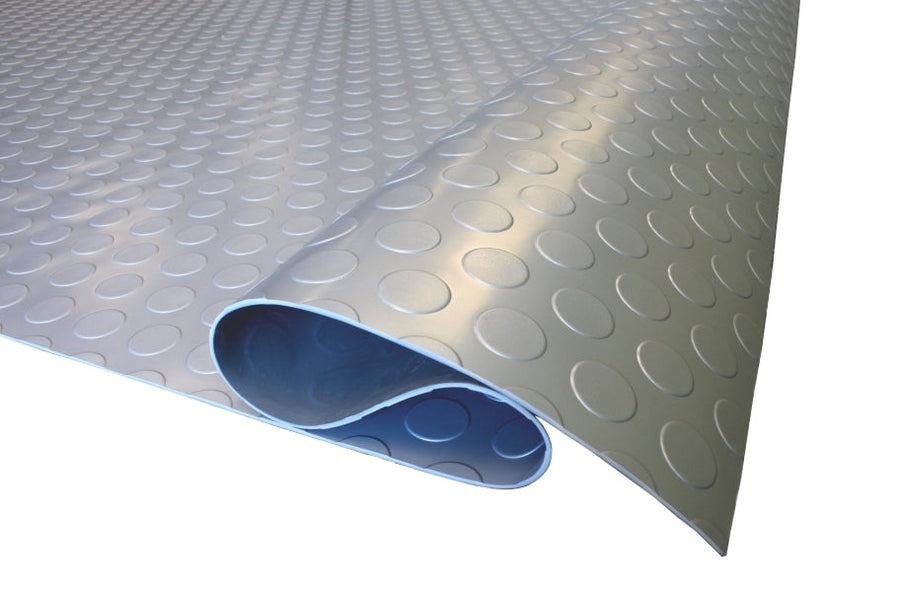
PVC or polypropylene interlocking tiles offer the most popular DIY garage flooring solution. These click-together tiles install quickly without adhesives, tools, or professional help. Available in various colours and patterns including chequer plate, diamond plate, and coin designs. Thickness ranges from 7mm to 20mm depending on intended use. Perforated designs allow drainage and air circulation. Individual tiles can be replaced if damaged, and the entire floor can be removed when moving house.
Rubber Garage Flooring
Heavy-duty rubber tiles or rolls provide excellent durability and comfort for workshop garages and home gyms. The cushioned surface reduces fatigue during extended standing and protects dropped tools from damage. Rubber resists oils, chemicals, and most automotive fluids whilst providing superior noise reduction. Available in smooth or textured finishes with thickness from 3mm to 25mm for different applications.
Epoxy Garage Floor Coatings
Epoxy resin coatings create seamless, high-gloss finishes that transform garage aesthetics. The chemical-resistant surface withstands automotive fluids, cleaning chemicals, and heavy traffic. Decorative flakes can be broadcast into wet epoxy for attractive, slip-resistant finishes. However, epoxy requires careful surface preparation, professional application for best results, and several days curing time. The permanent nature means removal is difficult if you later want different flooring.
Polyurethane and Polyaspartic Coatings
These advanced coatings offer superior performance to traditional epoxy with faster curing times, better UV resistance, and enhanced flexibility. Polyaspartic coatings can be applied and cured in a single day, minimising garage downtime. The premium performance comes with higher costs but delivers exceptional longevity and appearance.
Garage Floor Paint
Specialised garage floor paint provides the most economical option for basic protection and appearance improvement. Modern formulations offer reasonable durability and chemical resistance for light-duty garages. However, paint requires regular reapplication and doesn't provide the longevity or performance of other options. Best suited for rental properties or temporary solutions.
Choosing the Right Garage Flooring
Consider Your Primary Use
Vehicle storage requires oil-resistant, easy-clean surfaces like interlocking tiles or epoxy coatings. Workshop garages benefit from durable rubber or heavy-duty tiles that withstand tool drops and provide comfortable standing surfaces. Home gym conversions need cushioned rubber flooring that protects equipment and reduces noise. Multi-purpose garages require versatile solutions that balance all these needs.
Budget Considerations
Interlocking tiles cost £20-£50 per square metre with DIY installation. Rubber flooring ranges from £25-£60 per square metre depending on thickness and quality. Professional epoxy coating costs £40-£80 per square metre installed. Consider long-term value rather than initial cost—quality flooring lasts 10-20 years whilst cheap options require replacement within 3-5 years.
Installation Complexity
Interlocking tiles offer genuine DIY installation requiring no special tools or skills. Most homeowners complete single garage installations in 2-4 hours. Rubber tiles also suit DIY installation with basic cutting tools. Epoxy and polyurethane coatings require surface preparation expertise, specialised equipment, and careful application technique—professional installation recommended for optimal results.
Climate and Moisture
UK garages often face moisture issues from condensation and damp. Perforated interlocking tiles allow air circulation and drainage, preventing moisture trapping. Rubber flooring resists moisture but requires proper subfloor preparation. Epoxy coatings need completely dry concrete for proper adhesion—moisture testing essential before application.
Installation Best Practices
Surface Preparation
Successful garage flooring begins with proper concrete preparation. Clean thoroughly removing all oil, grease, dirt, and existing coatings. Repair cracks and holes with concrete filler. For coating applications, etch or grind concrete to create proper surface profile for adhesion. Moisture test concrete, especially in older properties or those with known damp issues.
Tile Installation
Start from one corner and work systematically across the garage. Interlocking tiles click together easily but require occasional tapping with rubber mallet for secure connections. Cut edge tiles with sharp utility knife or jigsaw. Leave small expansion gaps around perimeter to accommodate temperature changes.
Coating Application
Follow manufacturer instructions precisely regarding temperature, humidity, and application thickness. Apply primer if required, then base coat followed by decorative flakes if desired. Finish with clear topcoat for maximum durability and gloss. Ensure adequate ventilation during application and curing. Avoid use for recommended curing period—typically 24-72 hours for light traffic, 7 days for vehicles.
Maintenance and Longevity
Regular sweeping and occasional mopping with mild detergent maintains appearance and hygiene. Address spills promptly to prevent staining even on resistant surfaces. Inspect periodically for damage, loose tiles, or coating wear. Quality garage flooring lasts 10-20 years with minimal maintenance, providing excellent return on investment.
Popular Garage Flooring Patterns and Colours
Chequer plate (black and yellow or grey and black) creates classic workshop aesthetics. Solid colours in grey, black, or terracotta suit traditional garages. Metallic epoxy finishes provide contemporary showroom appearance. Custom patterns and logos personalise enthusiast garages. Consider lighter colours to maximise natural light reflection in windowless garages.
Special Considerations
Underfloor Heating Compatibility
If installing garage heating, verify flooring compatibility. Rubber and interlocking tiles generally work well over heated floors. Epoxy coatings require specific formulations for heated applications.
Planning Permission and Building Regulations
Garage flooring typically doesn't require planning permission or building regulation approval. However, if converting garages to habitable space, regulations apply. Consult local authority if uncertain.
Rental Properties
Landlords should consider removable interlocking tiles that add value without permanent modification. Tenants benefit from portable solutions that can move to future properties.
Making Your Selection
Assess your specific requirements—primary garage use, budget, DIY capability, and aesthetic preferences. Request samples to evaluate quality, appearance, and texture. Read reviews from UK customers facing similar climate and usage conditions. Verify warranty terms and supplier reputation before purchasing.
Ready to transform your garage? Explore our comprehensive range of professional-grade garage flooring solutions designed specifically for UK homes and workshops.