



Entrance Matting UK: Complete Guide to Commercial Floor Protection
The Critical Role of Entrance Matting in UK Buildings
Entrance matting represents the first line of defence against dirt, moisture, and debris entering your building. Research demonstrates that up to 80% of dirt in buildings enters through doorways on footwear, creating cleaning costs, safety hazards, and accelerated floor deterioration. Professional entrance matting systems protect your investment in interior flooring, reduce maintenance expenses, enhance safety, and create positive first impressions for visitors. Understanding the options, performance characteristics, and installation requirements ensures you select the optimal solution for your facility.
The True Cost of Inadequate Entrance Matting
Buildings without proper entrance protection face substantial hidden costs. Dirt and moisture tracked throughout facilities require intensive cleaning—commercial buildings spend £500-£2,000 annually per entrance on additional cleaning to compensate for inadequate matting. Abrasive particles scratch and wear interior flooring, reducing lifespan by 30-50% and necessitating premature replacement. Wet floors create slip hazards that lead to injury claims averaging £12,000-£50,000 plus legal costs and reputational damage. Poor first impressions from dirty, wet entrances affect customer perception and business reputation. The investment in quality entrance matting typically pays for itself within 12-24 months through these combined savings.
UK Regulations and Standards
The Health and Safety at Work Act 1974 requires employers to maintain safe premises, including slip-resistant entrance areas. The Management of Health and Safety at Work Regulations 1999 mandate risk assessment and control measures for slip hazards. Entrance matting must achieve appropriate slip resistance ratings—typically Pendulum Test Values (PTV) of 36+ for wet conditions. The Equality Act 2010 requires accessible entrances for disabled users, meaning matting must accommodate wheelchairs, mobility aids, and walking frames without creating barriers. Building regulations Part M addresses accessibility requirements. Insurance policies often specify minimum entrance safety measures, and failure to comply can void coverage.
How Entrance Matting Works
Effective entrance matting systems employ multiple mechanisms to capture and retain contaminants. Scraping zones with rigid bristles or raised patterns remove heavy debris and mud from shoe soles. Absorption zones with textile fibres capture moisture from wet footwear. Retention zones trap particles within the mat structure, preventing redistribution into buildings. The combination of these functions, delivered across adequate matting length, removes contaminants before they enter interior spaces. Research shows that 4-6 metres of entrance matting removes 90%+ of foot-borne contaminants, whilst inadequate 1-2 metre installations capture only 30-50%.
Types of Entrance Matting for UK Applications
Barrier Matting and Entrance Mats
Heavy-duty barrier mats feature robust construction designed for high-traffic commercial entrances. Rubber backing provides stability and prevents mat movement. Textile or synthetic fibres in various pile heights trap dirt and absorb moisture. Available in standard sizes (60x90cm, 90x150cm) or custom dimensions. Colours range from traditional greys and blacks to corporate colours matching brand identity. Typical lifespan of 3-5 years in commercial applications with proper maintenance.
Recessed Entrance Matting Systems
Recessed or sunken matting installs flush with surrounding floor levels, eliminating trip hazards and providing seamless transitions. Aluminium frames hold removable mat inserts for easy cleaning and replacement. This permanent installation suits new construction or major refurbishments where floor recesses can be incorporated. The professional appearance and superior performance justify higher initial costs for prestige buildings, hotels, corporate headquarters, and public facilities. Expected lifespan of 10-15 years for frames with mat inserts requiring replacement every 3-5 years.
Modular Entrance Matting
Interlocking modular systems allow custom configurations for entrances of any size or shape. Individual tiles can be replaced if damaged without replacing entire installations. The flexible design accommodates irregular entrance layouts, revolving doors, and complex traffic patterns. Installation requires no specialist tools or permanent fixings, making this option ideal for rental properties or temporary solutions. Typical lifespan of 5-8 years depending on traffic levels and maintenance.
Logo Entrance Mats
Custom-printed entrance matting displays company logos, branding, or welcome messages whilst providing functional dirt and moisture control. This dual-purpose solution enhances corporate identity and creates professional first impressions. Available in various sizes and materials to suit different applications. Popular for retail stores, hotels, corporate offices, and branded facilities. Expect 2-4 year lifespan before logo wear necessitates replacement.
Anti-Fatigue Entrance Matting
Cushioned entrance mats combine dirt control with ergonomic benefits for staff who stand at reception desks or entrance positions. The resilient construction reduces leg and back fatigue whilst maintaining scraping and absorption functions. Particularly valued in hospitality, retail, and service environments where staff wellbeing matters.
Outdoor Entrance Matting
Weather-resistant matting designed for external placement before building entrances provides first-stage dirt removal. Robust rubber or synthetic materials withstand UV exposure, temperature extremes, and constant moisture. Open-grid designs allow drainage and prevent ice formation. Scraper bars or raised patterns remove heavy mud and debris before users reach interior matting. This two-stage approach maximises overall system performance.
Material Options and Performance
Nylon Entrance Matting
Nylon fibres offer excellent durability, moisture absorption, and appearance retention. The resilient material maintains pile height under constant traffic and recovers well from compression. Nylon resists most chemicals and cleans easily with standard methods. Colour-fast properties prevent fading from sunlight or cleaning. Premium option for high-traffic commercial applications requiring long-term performance.
Polypropylene Entrance Matting
Polypropylene provides cost-effective performance for moderate-traffic applications. The synthetic fibres resist moisture, mildew, and most chemicals. Quick-drying properties suit wet climates and rainy conditions common across the UK. Whilst less durable than nylon, polypropylene delivers adequate performance at lower price points. Typical choice for budget-conscious installations or lower-traffic entrances.
Rubber Entrance Matting
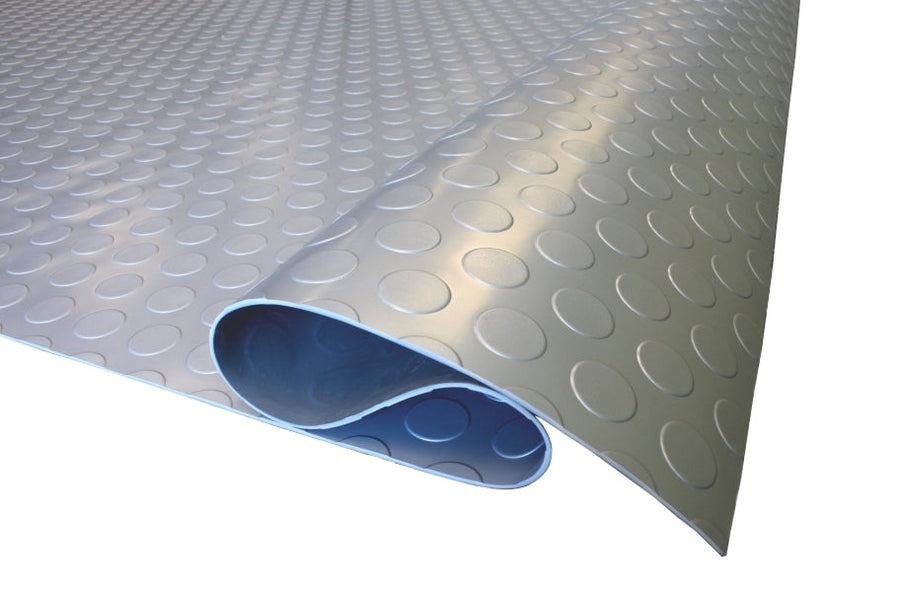
Solid rubber or rubber-backed mats offer maximum durability and scraping performance. The rigid construction removes heavy debris effectively whilst providing slip-resistant surfaces. Rubber withstands extreme weather, heavy traffic, and harsh cleaning. Ideal for industrial entrances, construction sites, and heavy-duty applications. Limited moisture absorption means rubber works best in scraping zones paired with absorbent matting for complete protection.
Coir and Natural Fibre Matting
Coconut coir and other natural fibres provide traditional aesthetics with good scraping performance. The stiff fibres remove debris effectively whilst offering eco-friendly credentials. However, natural materials have limited moisture absorption, shorter lifespans, and reduced durability compared to synthetic options. Best suited for covered entrances, heritage buildings, or residential applications where traditional appearance matters more than maximum performance.
Selecting the Right Entrance Matting
Assess Traffic Levels
Low traffic (under 100 people daily) suits standard barrier mats or polypropylene options. Medium traffic (100-500 people daily) requires durable nylon matting or modular systems. High traffic (500+ people daily) demands heavy-duty recessed systems or premium materials designed for intensive use. Underspecifying matting for traffic levels leads to rapid wear and performance failure.
Consider Climate and Weather
UK weather varies significantly by region and season. Wet climates (Scotland, Wales, Northwest England) require maximum moisture absorption capacity. Areas with seasonal snow need matting that handles slush and salt without degradation. Coastal locations face salt spray and wind-blown sand requiring robust materials. Urban environments deal with pollution and grime. Match matting specification to your specific climate challenges.
Determine Required Matting Length
Effective entrance matting requires adequate length for contaminant removal. Minimum 3 metres recommended for basic protection. 4-6 metres provides optimal performance for most commercial applications. High-traffic or prestige facilities benefit from 6-8+ metres. Consider entrance configuration—single long runs work better than multiple short sections. Budget constraints often limit length, but remember that inadequate matting provides poor value regardless of cost.
Match Aesthetics to Environment
Corporate offices benefit from professional greys, blacks, or branded colours. Retail environments use welcoming colours and logo mats. Industrial facilities prioritise function over appearance. Heritage buildings may require traditional materials and colours. Healthcare facilities need colours that don't show dirt whilst maintaining clinical appearance. Consider how entrance matting contributes to overall facility image.
Accessibility Requirements
Ensure matting accommodates wheelchairs, mobility scooters, walking frames, and pushchairs without creating barriers. Bevelled edges prevent trip hazards. Firm surfaces allow easy wheelchair passage—avoid excessively soft or thick matting that impedes movement. Recessed installations provide best accessibility by eliminating level changes. Contrasting colours help visually impaired users identify entrance areas.
Installation Methods and Best Practices
Surface-Mounted Installation
Standard barrier mats lay directly on existing floors with rubber backing preventing movement. Ensure floors are clean, dry, and level before placement. Position matting to cover primary traffic paths with adequate length for effective cleaning. Secure edges if necessary to prevent lifting or movement in high-traffic areas. This simple installation suits most applications and allows easy removal for cleaning.
Recessed Installation
Professional recessed systems require floor excavation to create mat wells. Depth must accommodate mat thickness plus drainage space beneath. Aluminium frames install in prepared recesses with precise levelling to ensure flush finish. Mat inserts drop into frames with easy removal for cleaning. This permanent installation requires professional expertise but delivers superior performance and appearance. Best incorporated during construction or major refurbishments.
Modular System Installation
Interlocking tiles connect together to create custom-sized entrance areas. Start from one corner and work systematically, ensuring tight connections between tiles. Cut edge pieces to fit using sharp utility knives. Some systems include ramped edge pieces for smooth transitions. Installation typically requires no tools or adhesives, making this genuine DIY option for many users.
Maintenance Requirements for Longevity
Daily vacuuming removes surface dirt and debris, maintaining appearance and performance. Weekly deep vacuuming extracts embedded particles from mat fibres. Monthly extraction cleaning or professional mat cleaning services restore absorption capacity and appearance. Outdoor matting requires hosing to remove accumulated debris. Recessed systems need periodic removal of mat inserts to clean frames and drainage areas. Inspect regularly for wear, damage, or reduced performance indicating replacement needs. Proper maintenance extends lifespan by 50-100% compared to neglected installations.
Cost Considerations and ROI Analysis
Standard barrier mats cost £30-£100 depending on size and quality. Recessed entrance systems cost £200-£500 per linear metre installed. Logo mats range from £100-£400 based on size and customisation. Calculate ROI through reduced cleaning costs (£500-£2,000 annually per entrance), extended interior flooring lifespan (saving £5,000-£20,000 in premature replacement), prevented slip injury claims (avoiding £12,000-£50,000+ costs), and enhanced professional image. Most commercial installations achieve positive ROI within 12-24 months with ongoing benefits for years.
Applications Across Different Sectors
Retail and Shopping Centres
High-traffic retail environments require maximum durability and moisture absorption. Logo mats enhance branding whilst protecting expensive interior flooring. Quick-drying properties maintain safety during busy periods. Aesthetic appeal contributes to positive shopping experiences.
Corporate Offices and Business Parks
Professional appearance matters in corporate settings. Recessed systems provide premium aesthetics whilst delivering superior performance. Logo mats reinforce brand identity. Adequate matting length protects expensive carpet and hard flooring throughout office spaces.
Healthcare Facilities
Hospitals, clinics, and care homes require hygienic entrance solutions that prevent contamination transfer. Antimicrobial matting resists bacteria and fungi. Easy cleaning with hospital-grade disinfectants maintains hygiene standards. Slip resistance critical for elderly and mobility-impaired users.
Educational Institutions
Schools, colleges, and universities face intensive traffic during term time. Durable matting withstands constant use by students and staff. Budget-friendly options suit educational funding constraints. Easy maintenance important for facility management teams.
Hospitality and Hotels
First impressions matter enormously in hospitality. Premium recessed systems or logo mats create welcoming entrances. Superior performance maintains pristine interior conditions. Investment in quality entrance matting reflects overall facility standards.
Industrial and Manufacturing
Heavy-duty rubber matting handles industrial traffic including forklifts and heavy equipment. Oil and chemical resistance essential for manufacturing environments. Robust construction withstands harsh conditions and intensive cleaning.
Common Mistakes to Avoid
Insufficient matting length provides inadequate contaminant removal—minimum 3 metres required for basic effectiveness. Selecting matting based solely on price rather than performance leads to rapid wear and poor ROI. Neglecting maintenance allows performance degradation and premature failure. Using indoor matting outdoors results in rapid deterioration from weather exposure. Ignoring accessibility requirements creates barriers for disabled users and compliance failures. Failing to secure matting properly creates trip hazards and movement issues.
Emerging Trends and Innovations
Antimicrobial treatments provide enhanced hygiene for healthcare and food service applications. Recycled materials offer sustainable options without compromising performance. Improved drainage designs in recessed systems prevent water accumulation. Enhanced UV resistance extends outdoor matting lifespan. Smart matting with embedded sensors monitors performance and alerts facility managers when cleaning or replacement is needed. Customisation technology allows complex logo designs and branding at lower costs.
Making Your Selection
Assess your specific requirements—traffic levels, climate conditions, budget constraints, aesthetic preferences, and accessibility needs. Measure entrance areas accurately to determine required matting dimensions. Request samples to evaluate appearance, texture, and quality. Verify performance specifications including moisture absorption, dirt retention, and slip resistance. Obtain quotes from multiple suppliers, comparing whole-life costs rather than initial prices alone. Check references from similar facilities. Ensure suppliers provide maintenance guidance and replacement mat availability. Consider professional installation for recessed systems to ensure proper performance and compliance.
Ready to protect your facility and reduce maintenance costs? Explore our comprehensive range of professional-grade entrance matting solutions designed specifically for UK commercial buildings, retail spaces, and public facilities.