



Complete Guide to Choosing Rubber Flooring for Industrial Facilities
Why Rubber Flooring is Essential for Industrial Environments
Industrial facilities across the UK face unique flooring challenges—from heavy machinery traffic to chemical exposure and employee safety concerns. Rubber flooring has become the go-to solution for facilities managers seeking durability, safety, and long-term value.
Key Benefits of Industrial Rubber Flooring
Superior Durability and Load-Bearing Capacity
Heavy-duty rubber flooring is engineered to withstand constant traffic from forklifts, pallet jacks, and heavy equipment. Unlike traditional flooring materials that crack or deteriorate under pressure, industrial-grade rubber maintains its integrity for years, reducing replacement costs and downtime.
Enhanced Workplace Safety
Slip resistance is critical in industrial settings where spills and moisture are common. Rubber flooring provides excellent traction, significantly reducing workplace accidents and liability concerns. The cushioning properties also reduce fatigue for employees who stand for extended periods.
Chemical and Oil Resistance
Manufacturing and workshop environments often involve exposure to oils, solvents, and chemicals. Quality rubber flooring resists degradation from these substances, maintaining its protective properties and appearance over time.
Choosing the Right Rubber Flooring for Your Facility
Thickness Considerations
For light industrial use, 3-6mm rubber flooring typically suffices. Heavy industrial applications with constant machinery traffic require 10mm or thicker options to ensure longevity and performance.
Surface Texture Options
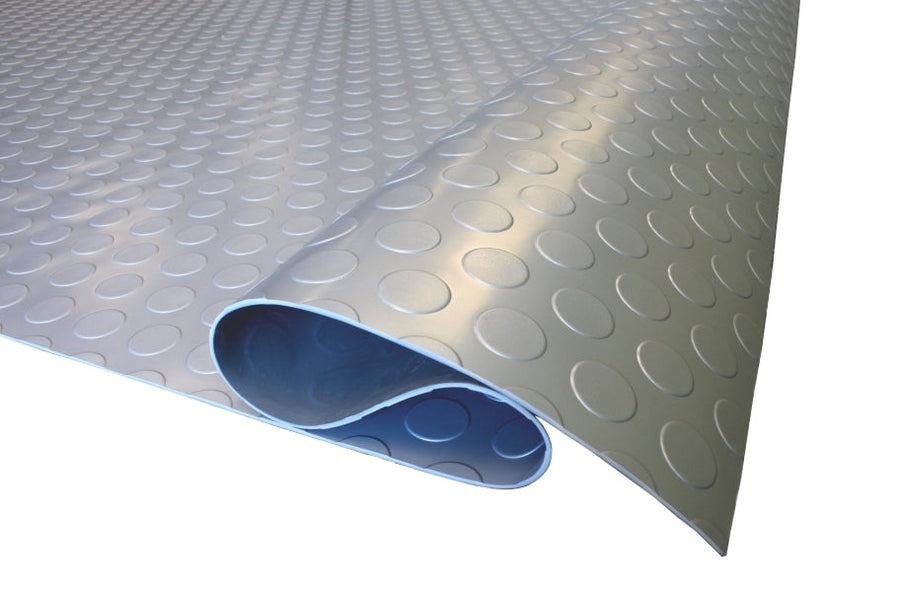
Smooth surfaces work well for areas requiring easy cleaning, while textured or studded surfaces provide maximum slip resistance in wet environments. Diamond plate patterns offer both functionality and professional aesthetics.
Installation Methods
Interlocking rubber tiles offer flexibility and easy replacement of damaged sections. Roll-out matting provides seamless coverage for larger areas, while permanent adhesive installation delivers the most stable solution for high-traffic zones.
Maintenance Best Practices
Regular sweeping and occasional mopping with mild detergent keep rubber flooring in optimal condition. Avoid harsh chemicals that can degrade the material. Inspect high-traffic areas periodically and address any damage promptly to prevent expansion.
Cost-Effectiveness and ROI
While initial investment in quality rubber flooring may exceed basic alternatives, the long-term savings are substantial. Reduced maintenance costs, fewer workplace injuries, extended lifespan, and minimal downtime deliver excellent return on investment for UK businesses.
Applications Across Industries
Rubber flooring serves diverse industrial sectors including manufacturing plants, automotive workshops, warehouse facilities, food processing areas, and logistics centres. Each application benefits from rubber's unique combination of durability, safety, and versatility.
Making Your Selection
When selecting industrial rubber flooring, consider your specific operational requirements, traffic patterns, exposure to substances, and budget constraints. Consulting with flooring specialists ensures you choose the optimal solution for your facility's unique needs.
Ready to upgrade your industrial flooring? Explore our comprehensive range of heavy-duty rubber flooring solutions designed specifically for UK industrial facilities.