



Anti-Fatigue Mats UK: Boost Workplace Productivity and Safety
The Hidden Cost of Standing Fatigue in UK Workplaces
Workers who stand for extended periods face significant health risks—leg pain, lower back strain, circulatory issues, and decreased productivity. UK employers have a duty of care under Health and Safety Executive guidelines to minimise workplace fatigue. Anti-fatigue mats provide a cost-effective solution that delivers immediate benefits for employee wellbeing and operational efficiency.
How Anti-Fatigue Mats Work
Anti-fatigue matting features cushioned surfaces that encourage subtle muscle movement in the legs and calves. This micro-movement promotes blood circulation, reducing the pooling that causes discomfort and fatigue. The ergonomic design distributes body weight more evenly, alleviating pressure points and reducing strain on joints and the lower back.
Proven Benefits for UK Businesses
Increased Productivity
Studies demonstrate that workers using anti-fatigue mats maintain higher energy levels throughout shifts, resulting in improved focus, fewer errors, and enhanced output. The reduction in discomfort translates directly to better work quality and efficiency.
Reduced Absenteeism
Chronic pain from prolonged standing leads to sick days and long-term health issues. Anti-fatigue matting significantly reduces musculoskeletal complaints, lowering absenteeism rates and associated costs whilst improving employee morale and retention.
Enhanced Workplace Safety
Many anti-fatigue mats feature slip-resistant surfaces and bevelled edges that reduce trip hazards. This dual functionality addresses both comfort and safety compliance, particularly important in manufacturing, retail, and food service environments.
Lower Insurance and Compensation Costs
Preventing workplace injuries through ergonomic interventions like anti-fatigue matting can reduce employer liability claims and insurance premiums whilst demonstrating commitment to employee welfare.
Choosing the Right Anti-Fatigue Mat
Material Considerations
Rubber anti-fatigue mats offer excellent durability and chemical resistance for industrial workshops and manufacturing facilities. PVC options suit lighter commercial applications, whilst specialised materials address specific needs like electrical insulation or extreme temperature resistance.
Thickness and Density
Optimal thickness ranges from 12mm to 20mm. Thicker isn't always better—excessive cushioning can create instability. Density matters more than thickness; high-density materials provide superior support whilst maintaining durability under constant use.
Surface Texture
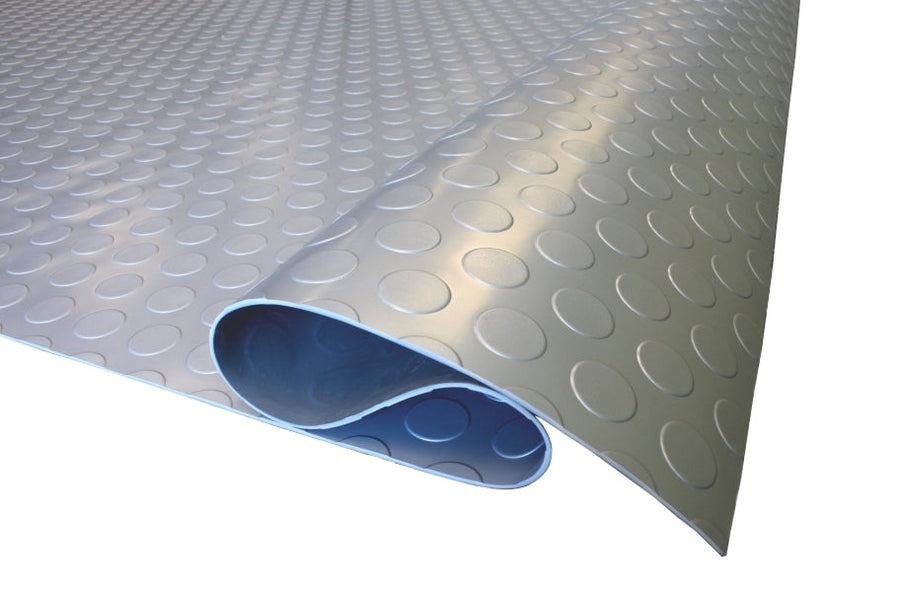
Smooth surfaces facilitate easy cleaning in food preparation areas, whilst textured or studded surfaces enhance grip in environments where liquids or debris are present. Diamond plate patterns combine functionality with professional aesthetics.
Size and Configuration
Individual workstation mats suit assembly lines and packing stations, whilst continuous runners work better for production lines and retail counters. Modular systems allow custom configurations for complex workspace layouts.
Industry-Specific Applications
Manufacturing and Assembly
Production line workers benefit enormously from anti-fatigue matting at workstations where they stand for entire shifts. The mats withstand heavy foot traffic, dropped tools, and industrial cleaning whilst providing consistent comfort.
Retail and Hospitality
Shop assistants, bar staff, and kitchen workers face long hours on hard floors. Anti-fatigue mats in these environments improve staff wellbeing whilst maintaining professional appearance and meeting hygiene standards.
Warehousing and Logistics
Packing stations, dispatch areas, and quality control zones all benefit from anti-fatigue matting. The mats reduce worker fatigue during peak periods whilst withstanding the demands of busy distribution centres.
Healthcare and Laboratories
Medical professionals and lab technicians often stand for extended periods during procedures and analysis. Specialised anti-fatigue mats meet stringent hygiene requirements whilst providing essential ergonomic support.
Maintenance and Longevity
Quality anti-fatigue mats require minimal maintenance—regular sweeping and occasional mopping with appropriate cleaners maintains hygiene and appearance. Avoid harsh solvents that can degrade materials. Well-maintained mats last 5-10 years in demanding commercial environments, delivering excellent return on investment.
Compliance with UK Regulations
The Health and Safety at Work Act 1974 and subsequent HSE guidance require employers to assess and mitigate workplace risks, including those from prolonged standing. Anti-fatigue matting demonstrates proactive compliance whilst addressing Display Screen Equipment regulations for standing desk users.
Calculating Your ROI
Consider the costs of absenteeism, reduced productivity, and potential injury claims against the modest investment in anti-fatigue matting. Most UK businesses see positive returns within months through improved efficiency and reduced health-related costs.
Implementation Best Practices
Conduct workplace assessments to identify high-priority areas, involve employees in mat selection to ensure buy-in, provide guidance on proper use, and monitor results through feedback and productivity metrics. Phased rollouts allow you to demonstrate value before full implementation.
Ready to improve workplace comfort and productivity? Explore our comprehensive range of anti-fatigue mats designed specifically for UK industrial and commercial environments.